Featured
The Ultimate Guide To Why Avoiding Your Debt Problems May...
The 10-Minute Rule for Lasting Consequences of Avoid Spen...
10 Simple Techniques For How to Never Return to the Old P...
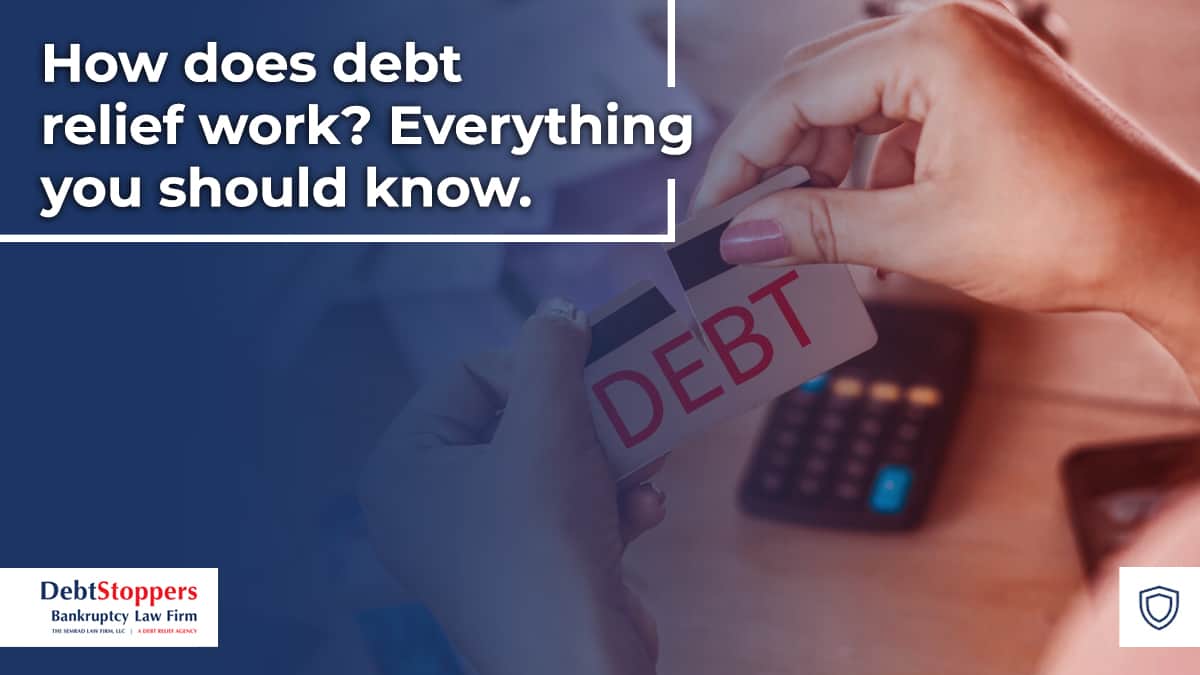
The 4-Minute Rule for How Hesitating Your Debt Problems M...

The Basic Principles Of Private Relief Programs Reviewed
Table of Contents
That maximizes money in the short-term, and you may have 3 to four years to save towards the settlement quantity. Extremely dangerous to credit rating ratings, mainly because of missed out on repayments and an unfavorable "worked out" mark that can remain on your credit history report for approximately seven yearsMay be just alternative if other options (financial debt consolidation, balance transfer charge card, financial debt mercy) aren't possibleTypically requires a cost to the 3rd party, which might balance out some or all of the cost savings from financial obligation settlementMay aid you avoid personal bankruptcy if you've missed several paymentsNot all financial institutions collaborate with financial obligation negotiation business Financial obligation mercy might be best for you if you are experiencing a financial challenge that makes it virtually difficult to pay for your debt equilibriums.

With a DMP, you make one monthly payment to the credit report therapy firm. Those funds are after that distributed to lenders of your unsecured financial debts, such as credit score cards and installment car loans. The firm deals with your lenders to lower rate of interest or forgo fees, however some financial institutions may refuse such concessions.
A financial debt consolidation loan combines your qualified financial debts right into one new financing. It can assist you pay for financial debt if you're able to protect a funding rate that's reduced than the average rate of the accounts you're settling. You need to refrain from racking up debt on those freshly removed accounts or your financial obligation could expand even higher.
That provides you plenty of time to get rid of or considerably reduce your balance while making interest-free payments.
Fascination About How to Connect With a Counselor with Your Financial Recovery Journey
You might require it if your financial institution or a collection firm ever attempts to collect on the financial debt in the future. When a lending institution forgives $600 or more, they are called for to send you Form 1099-C.
Financial obligation forgiveness or negotiation practically constantly hurts your credit history. Anytime you settle a financial obligation for much less than you owe, it may look like "resolved" on your credit history record and affect your credit history for 7 years from the day of negotiation. Your credit history can likewise go down substantially in the months leading to the mercy if you drop behind on settlements.
Non-Profit Relief Programs Reviewed - An Overview
Tax obligation financial debt concession programs Tax obligation debt happens when the quantity of tax obligations you owe surpasses what you have actually paid. This situation often arises from underreporting earnings, not submitting returns on time, or disparities discovered throughout an IRS audit. The consequences of collecting tax financial obligation are significant and can consist of tax obligation liens, which give the internal revenue service a legal insurance claim to your home as security for the financial debt.
Salaries and Financial institution Accounts IRS can levy (seize) incomes and financial institution accounts to please the financial obligation. Residential or commercial property Seizure In extreme instances, the Internal revenue service can confiscate and offer building to cover the financial debt.
Clinical depression, anxiousness, and other mental health and wellness problems. Social Preconception Facing lawsuit from the IRS can bring social preconception. Damages to reputation and relationships. Work Opportunities A poor credit report rating due to exhaust debt can restrict job opportunity. Difficulty searching for or maintaining a task. Federal government Advantages Tax obligation financial debt might influence qualification for government benefits, such as Social Safety and Medicaid.
Market Developments in Service Service Areas & Locations : APFSC and Debtor Options - The Facts
The OIC takes into consideration numerous aspects, consisting of the taxpayer's earnings, expenditures, asset equity, and ability to pay. Efficiently discussing an OIC can be intricate, calling for a comprehensive understanding of the internal revenue service's guidelines and a solid disagreement for why your deal straightens with your capability to pay. It is very important to keep in mind that not all applications are approved, and the process needs in-depth economic disclosure.
The IRS examines your overall financial scenario, including your revenue, expenditures, possession equity, and ability to pay. You must also be current with all filing and settlement demands and not be in an open insolvency case. The IRS also considers your conformity history, assessing whether you have a document of timely filing and paying tax obligations in previous years.
The Basic Principles Of The Truth About Debt Forgiveness for Overwhelmed Consumers
The application procedure for an Offer in Compromise includes numerous thorough actions. First, you have to complete and submit IRS Form 656, the Deal in Concession application, and Form 433-A (OIC), a collection info statement for people. These forms call for detailed financial details, including details concerning your income, financial debts, costs, and assets.
Back tax obligations, which are unsettled tax obligations from previous years, can dramatically boost your complete IRS financial debt otherwise addressed immediately. This debt can accrue rate of interest and late payment fines, making the initial quantity owed a lot larger over time. Failure to pay back tax obligations can cause the internal revenue service taking enforcement activities, such as issuing a tax lien or levy against your property.
It is very important to deal with back taxes as soon as possible, either by paying the sum total owed or by organizing a repayment strategy with the IRS. By taking positive steps, you can avoid the buildup of additional passion and penalties, and protect against more aggressive collection actions by the IRS.
One common reason is the idea that the taxpayer can pay the total either as a round figure or through a settlement strategy. The internal revenue service also takes into consideration the taxpayer's earnings, expenditures, property equity, and future earning capacity. If these variables indicate that the taxpayer can pay for to pay greater than the supplied amount, the internal revenue service is likely to turn down the deal.
About Evaluating Service Service Areas & Locations : APFSC Providers in Today's Market
Dealing with Internal revenue service debt can be complex and overwhelming. Tax obligation specialists, such as Certified public accountants, tax lawyers, or registered agents, can provide very useful support.

Table of Contents
Latest Posts
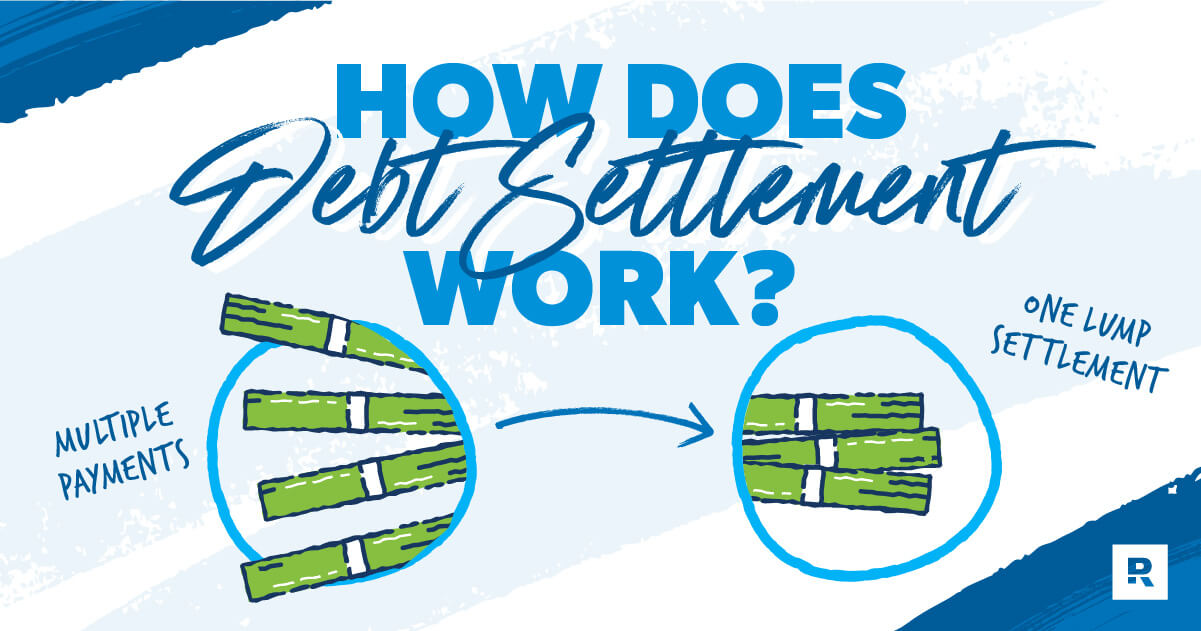
The Ultimate Guide To Why Avoiding Your Debt Problems May Cost You
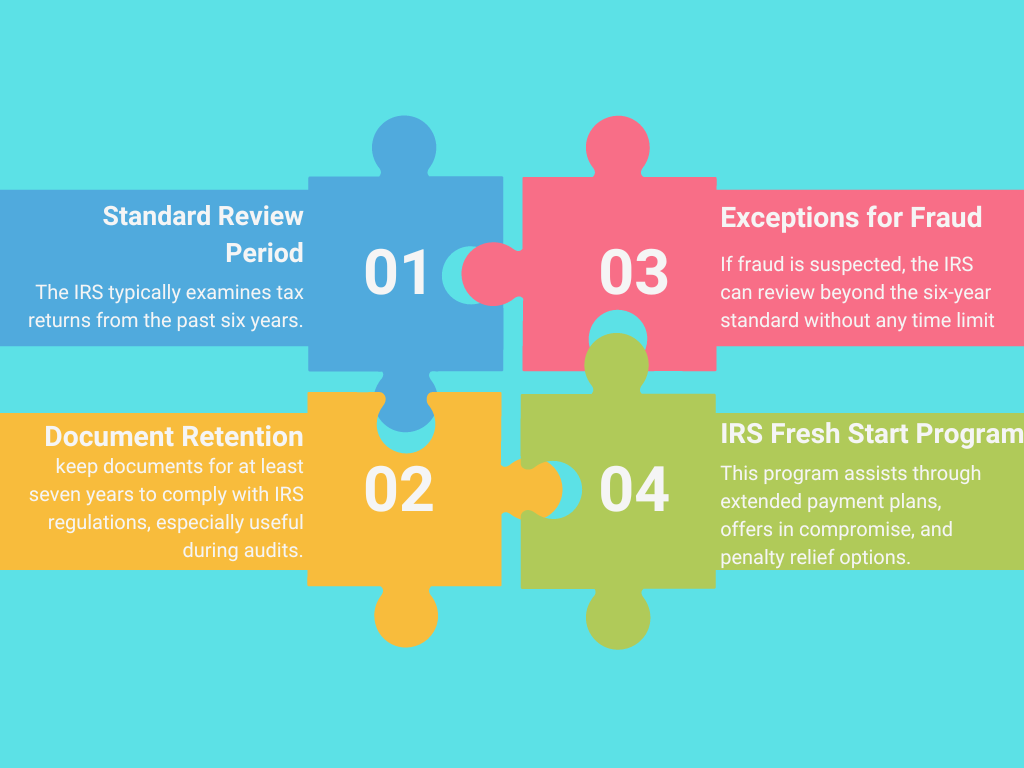
The 10-Minute Rule for Lasting Consequences of Avoid Spending Money You Don’t Have This Holiday Season : APFSC Choices
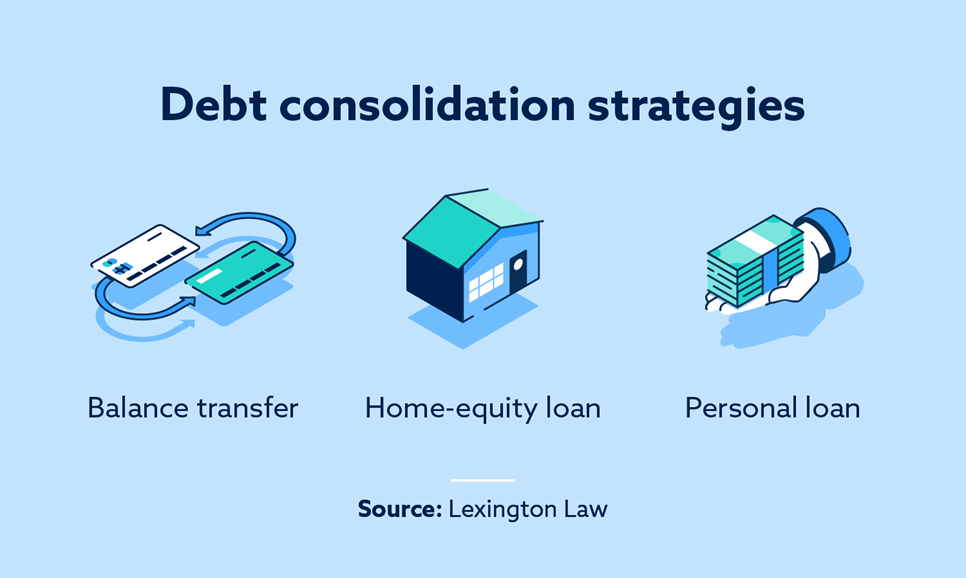
10 Simple Techniques For How to Never Return to the Old Patterns After Your Fresh Start
More
Latest Posts
The Ultimate Guide To Why Avoiding Your Debt Problems May Cost You
The 10-Minute Rule for Lasting Consequences of Avoid Spending Money You Don’t Have This Holiday Season : APFSC Choices
10 Simple Techniques For How to Never Return to the Old Patterns After Your Fresh Start